
Happy 1st November, which means 1) there are only 60 days left of the year, and 2) it’s reading wrap-up time!
Is it appropriate to say I feel very much in my non-fiction gal era?! Over the last few months, more non-fiction and memoir picks have creeped onto my list, and October has been no exception, with only 1 of the 5 books I read being fiction! But, it turns out it’s been for good reason as it’s been one of the more positive reading months I’ve had…

The Brain at Rest: How the Art and Science of Doing Nothing Can Improve Your Life by Dr Joseph Jebelli
The book was very much needed and came at the right time after a couple of extremely busy months at work. The run-up-to-Christmas rush is still underway, but this short, unpretentious book helped me slow down and remember to pause. Why?
Drawing upon his own experiences with his family, Dr Jebelli details how his father one day broke down because of work stress and never quite returned to himself, even years later.
Similarly with this mum; she’d been meaning to go to the optician about her eye. Only she didn’t go until much later and found out she was losing her sight.
It’s packed with mini anecdotes from interviews with normal people, through to academics. I love how it’s backed by science and, for someone who always dreaded science lessons, I found this not at all patronising or intimidating.
One piece that really stuck with me was, if we’re not careful, multi-tasking can ‘kill’, like you can lead your brain to an early death because you’re not resting, especially if after being on a screen all day trying to spin multiple plates and then return to scroll on your phone or watch TV – more screens.
The day after reading this, I tried focusing on one task at a time during work. For someone who tends to spin those plates, it was a weird feeling, but I definitely felt more in control of my day.
I enjoyed this book so much that I recommended it to a friend who is a psychotherapist. Here are my notes to ‘sell’ it to them:
- It’s okay not to be on all the time
- Should take rest
- Examples of how some of the best things have emerged from resting
- Nature = v good
And then the deep part to end on; everyone is burnt out, but we’ve all come to accept it’s normal. But no one really knows how to fix it / wants to because capitalism rules.
If you want some tips for resting despite the chaos of everyday, I would highly recommend this book! (Secretly, I think everyone would LOVE to have a break from their phone, tech and work…)

Daughters of the Bamboo Grove: China’s Stolen Children and a Story of Separated Twins by Barbara Demick
This is my first encounter with journalist Barbara Demick, and oh my, after this I want to read all of her books!
This was a moving, informative book which tells the story about China’s one-child policy and horrific history of stealing children, in parallel to twin sisters separated at a young age so abruptly.
Besides the one-child policy, in some circumstances, some families were able to have another child if they lived in the countryside. However, reading about it was often confusing so I can’t imagine what it was like for the families living during that time, with the rules being so complicated.
The book is sad at times, especially when detailing how children were stolen by local authorities, or families were told their children had to be taken away, unbeknown to the families that it was unlawful. It’s compelling to see how the story, albeit real-life, pans out, full of wonder if these twin sisters will be reunited by Demick.
She details her concern that if she does manage to, how could they communicate with one another, especially when she finds out the stolen twin was adopted and is living in America?
Even though it’s said that some twins can ‘mind read’, culture can be the thing that tears us apart.
Liked this book? Throughout the entire read, this book reminded me of some of the culture references in Private Revolutions by Yuan Yang, shortlisted for this year’s Women’s Prize for Non-Fiction.
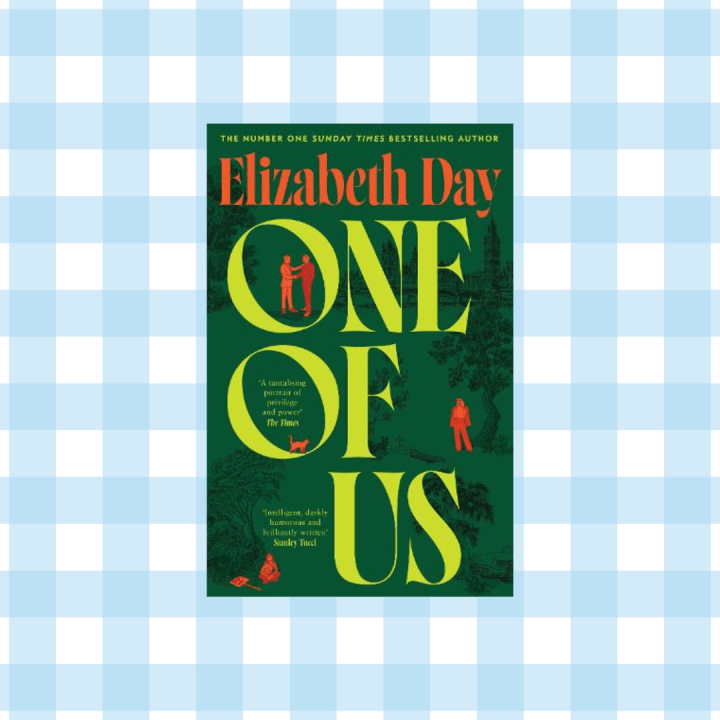
One Of Us by Elizabeth Day
I’ve read a few Elizabeth Day books before, and forgot how challenging her writing can be. Coming from a very privileged background, it’s clear in the way she writes, not too dissimilar from how she speaks, so it took me a while to get used to her way of writing again.
I enjoyed The Party, the prequel to this book, although you could probably get away with reading just this. I loved Magpie, which I read in the early days of my reading journey and always recommend it those seeking a big twist.
One Of Us is a thriller which seeps into the world of politics. It was a strange experience for me as I read it alongside my fiancé’s current book choice, Out by James Shipman, which details all the going on of the Conservative party between 2019 to 2024; we listened to it as an Audiobook in the car on the way back from my 10K. I won’t be surprised if the activities in this time period influenced this book.
We revisit Ben and Martin (from The Party), as well as Serena and her’s and Ben’s daughter,
Cosima, who’s joined a protest group (basically, Just Stop Oil). We also meet Richard Take, a scandalous MP who was once caught watching porn on his work laptop, but finds himself involved in Ben’s bid to be the next Prime Minister.
It’s full of pure scandal, with suspicion around the death of Fliss, Ben’s sister, where things don’t seem to add up.
Another enjoyable read where Day didn’t disappoint, full of tongue in cheek with a poke at today’s messed up political landscape.

Code Dependent: Living in the Shadow of AI by Madhumita Murgia
I’m on an AI reading streak! Well two book streak.
This goes nicely alongside Parmy Olsen’s award winning book, Supremacy (about AI and the big-boy AI companies), although Murgia’s focuses on the behind the scenes and nitty gritty of how the AI is trained, what the human impact is when it isn’t regulated (and still isn’t properly being done), and how humans are training the very technology which will replace them.
There were some chapters that I felt were slower than others and a bit information heavy, however, there were several anecdotes featuring people affected by AI, such as helping doctors in remote areas to diagnose patients faster, compared to some workers being affected by AI so much that they’ve lost their jobs.
I first came across Code Dependent on the 2024 Women’s Prize for Non-Fiction, entranced from the moment she did the live reading. I can see this being another book I recommend and pass on, just because of how important it is and how it impacts us all, more than we’d like to admit.
I’d also recommend reading Careless People by Sarah Wynn-Williams, which draws upon her time at Facebook, which links to aspects of AI and how harmful ads have helped influence war, misinformation and general election results.
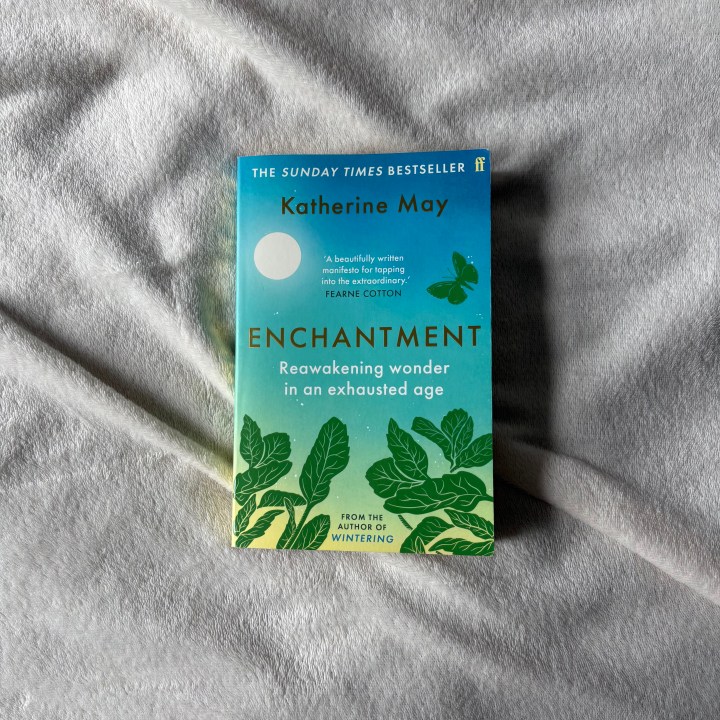
Enchantment by Katherine May
Back in February/March this year, I read Wintering, also by Katherine May: it’s one of those books that really hit deep, where I was meant to read it at that specific time in my life, and it now has a firm place in my book collection, where I hope to return to it during hard times.
Enchantment didn’t quite have the same effect. I enjoyed it, but it wasn’t as enchanting, shall we say. It followed the same themes as Wintering, drawing upon May’s burnout and trying to go back to things she used to enjoy, reawakening those joys such as cold water swimming (I still want to try this!). It’s beautifully written and immersive, reminding me of Amy Liptrot’s style of writing when talking about nature and finding yourself in the hard moments.
There were some sentences that caught me, where I had to read them again to admire what she said – it’s a good way of coming back to the present.
Like I said, I liked it, but I didn’t get as much from it as I did from Wintering.
A little snapshot from May about reading books, but none of the words sinking in:
“I was rain, and they [the words] were waterproof.”


Any books moving onto your TBR?
What’s on November’s reading list?
Liked this blog? You may like this video!
 Lizzie's Week